

Even More How to Grow: Visit Our Other Sites: | ||
|
| Home | How to Grow | Flowers | Fruit | Bulbs | Vegetables | Lawn Care | Pumpkins | House Plants | Copyright 1999 - 2021 © by Premier Star Company |
Turnera ulmifolia
Buttercup Bush Plant Features
Buttercup bush is a lovely small, flowering shrub grown in the tropics and loved for its display of yellow flowers that appear all year long. It's also easy to grow; buttercup bush doesn't require any special tips or tricks to look beautiful. You'll often find buttercup bush grown with flowering annuals, perennials, and shrubs in garden beds and borders -- especially butterfly gardens. Because it has a relatively small size, it's a perfect foundation plant, low hedge, and container garden plant, as well.
Buttercup Bush Questions?
Send us an email and our experts will get back to you.
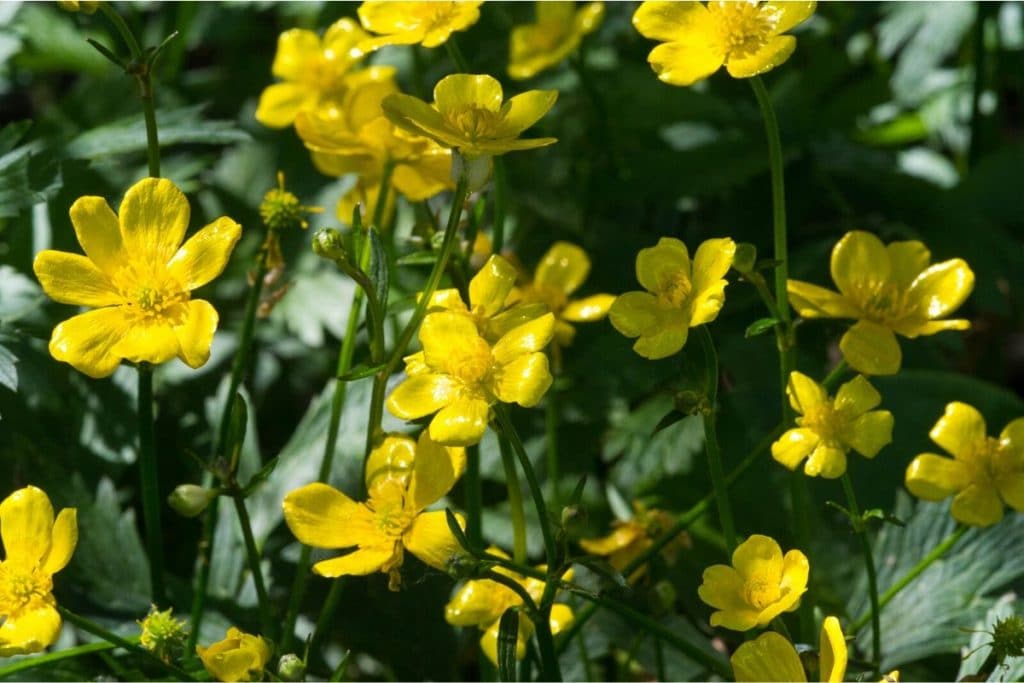
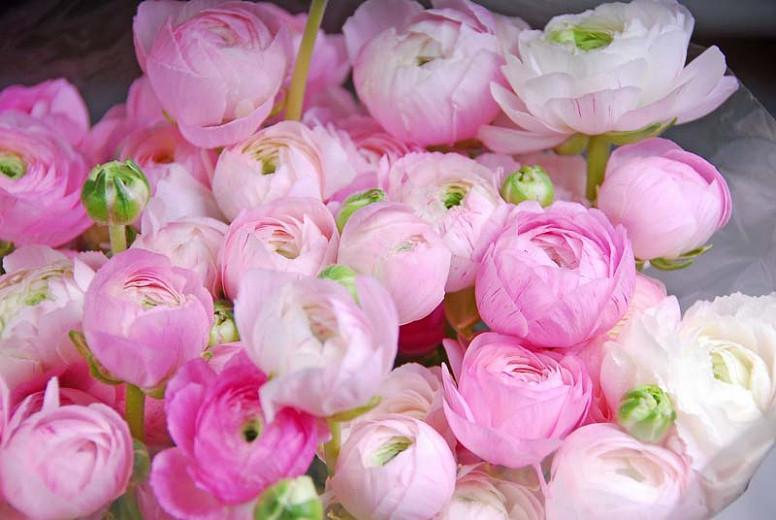
Creeping Buttercup or Ranunculus repens is the most common of all Buttercup species and can become a major nuisance if left to its own devices. It grows aggressively along the surface, forming runners called Stolons which root at intervals forming new plants. The leaves bear three lobes that are deeply toothed and the upper lobe is stalked. Growing Conditions for Buttercups Buttercups prefer full sun to partial shade. They are more particular about soil preferences than most flowers, needing a light, cool, well-drained soil. If you’re growing buttercups in a particularly warm and sunny climate, mulch around the base of the plants to help keep the soil at a cooler temperature. Ranunculus is a genus of plants that includes approximately 600 species of flowering plants. It includes the common buttercup that grows wild throughout the U.S. But the cultivated variety (Ranunculus 'asiaticus'), commonly referred to as Persian buttercups, produces large showy blooms that resemble roses. These tender perennial plants can be grown as perennials in USDA plant hardiness zones 8.
Buttercup Bush Growing Instructions
Grow buttercup bush in part shade and moist well-drained soil. Once established, buttercup bush can withstand light drought, but does best when receives consistent moisture. Spreading a layer of mulch over the soil around the base of the plant can help keep it moist longer.
Buttercup bush grows well on its own, but blooms more profusely (and grows faster) when fertilized in spring and summer. You can use any general-purpose garden fertilizer as long as you follow the directions on the fertilizer packaging.
You can prune buttercup bush back at any time without harming it. Pinching the stems back from time to time will help give you a bushier, fuller plant, but this isn't required to grow buttercup bush.
Note: Buttercup bush is not intended for human or animal consumption. Butterflies love it, though!
Light
Outside: Part sun
Colors
Yellow
Water
Xiaomi driver for mac. Moist, well-drained soil
Special Features
Attracts butterflies
Deer/rabbit resistant
Super-easy to grow

Complement your Buttercup Bush with these varieties:

Yellow allamanda and buttercup bush make for fun, colorful companions.
Growing Buttercups Flowers
Accent buttercup bush with a flamboyant tropical hibiscus plant!
Growing Buttercup Winter Squash
Grow buttercup bush with yellow, orange, and red marigolds for a cheery summer combo.
How To Plant Buttercups